

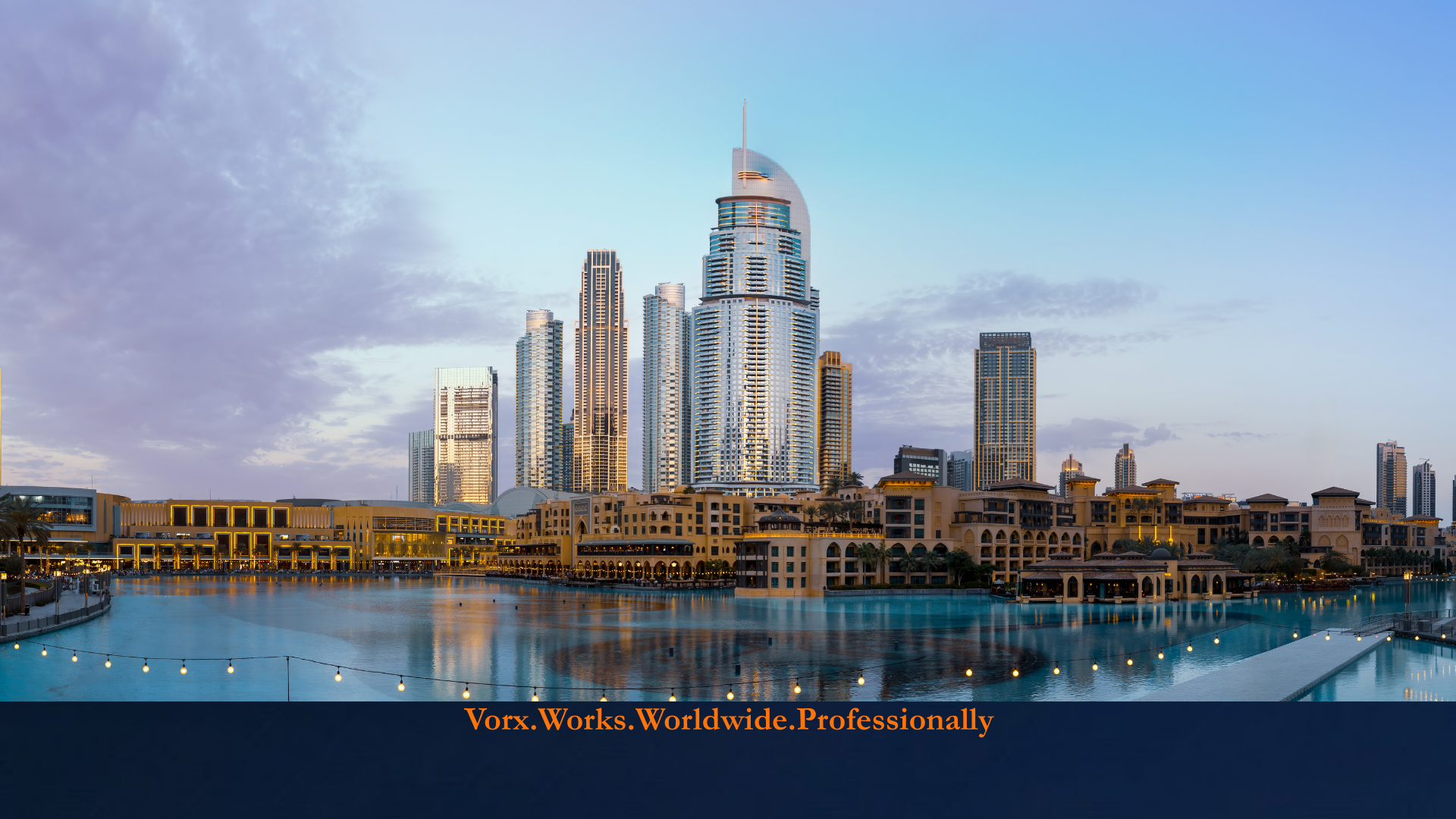
Dubai’s healthcare sector has quietly evolved into one of the most structured and internationally aligned medical ecosystems in the world. At the center of that transformation sits Dubai Healthcare City (DHCC) — a specialized free zone designed to host hospitals, clinics, research institutions, medical education providers, & healthcare technology companies under one regulatory framework.
For founders, investors, and medical professionals looking to establish a healthcare presence in the UAE, a DHCC business setup Dubai Healthcare City is often considered one of the most credible and strategically sound entry points into the region’s healthcare economy.
But there is an important distinction many guides fail to clarify: setting up in DHCC is not merely a business registration exercise. It is a regulated healthcare establishment process involving licensing, facility approval, practitioner credentialing, and long-term compliance obligations.
Understanding the sequence, regulatory structure, and practical realities behind this process is what separates a smooth market entry from months of costly delays.
This 2026 guide provides a structured, founder-focused explanation of how DHCC setup actually works, including the legal architecture behind it, the operational sequencing required, & the strategic mistakes investors frequently make.
The aim is not simply to explain procedures, but to provide clarity on how healthcare regulation, immigration, & business structuring intersect inside the UAE healthcare ecosystem.
Understanding Dubai Healthcare City: Why the Free Zone Exists
Dubai Healthcare City was established as a specialized medical free zone designed to cluster healthcare providers under a dedicated regulatory authority rather than spreading healthcare businesses across general commercial jurisdictions.
The logic behind this model is straightforward: healthcare requires different regulatory oversight, clinical governance, & facility standards than ordinary businesses.
Instead of operating under the standard commercial licensing framework used by most UAE companies, DHCC businesses operate under a sector-specific regulatory authority responsible for healthcare governance.
This structure allows the zone to maintain international medical standards while enabling private healthcare investment to flourish in a controlled environment.
Today, DHCC hosts a wide range of institutions including hospitals, specialist clinics, diagnostics centers, wellness operators, and healthcare education institutions.
But for founders entering the system for the first time, the most important thing to understand is this:
A DHCC license is not just a company license — it is also a healthcare regulatory authorization.
That distinction affects everything from the design of your clinic to the professional credentials of your staff.
And it is precisely why the sequence of setup steps becomes critically important.
The Strategic Role of DHCC in Dubai’s Healthcare Economy
Dubai’s healthcare market is built around two core policy objectives.
First, the city aims to develop a world-class private healthcare ecosystem capable of attracting international patients.
Second, it seeks to expand domestic healthcare capacity for a rapidly growing population.
Dubai Healthcare City plays a central role in both ambitions.
By creating a regulated cluster dedicated exclusively to healthcare, the government ensures that investors entering the sector operate within a clearly defined framework of clinical governance and facility standards.
For founders, this produces two significant advantages.
The first is credibility. Businesses licensed inside DHCC are automatically associated with a regulated healthcare ecosystem recognized internationally.
The second advantage is operational clarity. Unlike general commercial zones where healthcare rules may be fragmented across different regulators, DHCC centralizes healthcare oversight under one authority.
However, founders must also understand the flip side of this structure.
Healthcare licensing in DHCC is intentionally rigorous.
Approvals are tied not only to the company structure but also to the facility design, practitioner credentials, and operational standards.
Attempting to treat the process like a standard free zone company formation often leads to avoidable licensing delays.
Vorx Pro Tip: Most founders underestimate the regulatory depth of healthcare licensing.
Treat DHCC setup as a healthcare establishment process, not just company registration.
Immigration Strategy and Founder Positioning
Before diving into licensing mechanics, founders should consider a structural factor that rarely appears in setup guides: immigration positioning.
Healthcare entrepreneurs entering Dubai typically fall into one of three categories:
• medical practitioners opening their own clinics
• investors building healthcare businesses
• international healthcare groups expanding into the UAE
Each category interacts with immigration rules differently.
For medical founders, professional licensing and residency status may become interlinked.
For investors, residency pathways can depend on shareholding structures or investment thresholds.
And for multinational healthcare operators, the presence of senior executives inside the UAE may require long-term residency planning tied to corporate structure.
This is why many experienced advisors recommend addressing immigration strategy before finalizing business structuring.
Failing to align residency planning with company structure can create unnecessary restructuring later.
For example, adjusting shareholding after immigration approvals are issued can trigger additional regulatory filings and delays.
Planning these elements early ensures that the company structure, licensing pathway, and immigration position remain aligned from the start.
Strategy Call
If you are evaluating a DHCC business setup Dubai Healthcare City, a structured strategy session can clarify the correct licensing and immigration sequence.
More insights: www.vorxcon.com
Choosing the Right Healthcare Activity
One of the earliest strategic decisions founders must make is selecting the exact healthcare activity under which the business will be licensed.
This step often appears administrative, but in reality it defines the entire regulatory scope of the business.
In DHCC, licensing activities are not generic categories. They correspond directly to specific healthcare services permitted under the license.
A dermatology clinic, for example, operates under a different regulatory framework than a diagnostic laboratory or physiotherapy center.
Selecting the correct activity affects several critical elements:
• the type of facility approval required
• the qualifications required for practitioners
• the equipment standards applicable to the clinic
• the regulatory inspections that will follow
Choosing an overly narrow activity can restrict future services, while choosing the wrong classification may require re-approval of the entire license.
This is why founders should approach activity selection strategically rather than simply choosing a category that “sounds correct.”
Vorx Pro Tip: The activity you select defines what services you can legally offer.
Changing it later may require fresh regulatory approvals.
Legal Structure Options Inside DHCC
Once the activity is defined, founders must decide on the legal structure of the business entity.
Dubai Healthcare City offers several structures for healthcare companies, including:
• Free Zone Limited Liability Company
• Branch of a foreign healthcare company
• Branch of a UAE entity
Most healthcare startups opt for a Free Zone LLC structure, which allows shareholders to establish a standalone entity inside the free zone.
Branches are typically used by existing healthcare organizations expanding into Dubai.
But founders should consider one structural factor carefully: ownership planning for future investment.
Healthcare businesses often attract strategic investors or private healthcare groups after launch.
Choosing a structure that allows flexible shareholding adjustments can make future fundraising significantly easier.
Restructuring healthcare companies later can be far more complex than restructuring ordinary commercial companies.
The Regulatory Approval Sequence
The DHCC setup process follows a structured approval sequence.
While the precise steps vary depending on the healthcare activity, the general process includes:
• initial concept approval
• company incorporation
• facility design review
• practitioner credentialing
• regulatory inspection
• final license issuance
Each stage depends on the completion of the previous stage.
Attempting to move steps out of order — for example signing a clinic lease before design approvals — can create expensive delays.
Healthcare facility design must meet specific clinical standards, including room sizes, sterilization protocols, patient flow planning, and equipment layout.
Architectural designs are reviewed before the facility can be approved for medical operations.
This means founders should coordinate closely with architects who understand healthcare facility regulations.
Vorx Pro Tip: Do not sign long-term clinic leases before design approvals.
Facility layouts must pass regulatory review first.
Facility Planning and Compliance
Facility planning is one of the most underestimated parts of DHCC setup.
Many founders focus heavily on the company license while overlooking the fact that clinical operations depend on facility approval.
Healthcare regulators assess clinics based on factors including:
• treatment room dimensions
• patient flow and waiting areas
• sterilization procedures
• infection control infrastructure
• equipment safety compliance
Even small layout decisions can influence regulatory approval.
For example, separating patient intake areas from treatment rooms may be required for certain medical activities.
Design errors discovered late in construction can force expensive redesigns.
This is why many experienced founders begin regulatory consultation before committing to a clinic design.
Strategy Call
For founders planning a clinic or medical facility, early regulatory clarity can prevent structural mistakes.
More insights: www.vorxcon.com
Practitioner Licensing and Credentialing
Healthcare businesses are unique in that the license of the business is only one part of the regulatory framework.
Medical professionals working inside the facility must also obtain individual practitioner licenses.
These licenses are issued based on credential evaluation.
Authorities typically review:
• medical degrees
• specialization certificates
• years of clinical experience
• licensing history in previous jurisdictions
Verification processes may involve international credential checks, which can take several weeks.
Founders building clinics around specific practitioners must therefore ensure that credential verification begins early.
A clinic cannot operate until both the facility license and practitioner licenses are approved.
Vorx Pro Tip: Clinic licensing and doctor licensing run on parallel tracks.
Start credential verification early to avoid opening delays.
Financial Planning for DHCC Setup
The cost of establishing a healthcare Business inside DHCC varies significantly depending on the nature of the facility.
Major cost components typically include licensing fees, regulatory approvals, facility development, & staffing.
Unlike standard commercial businesses, healthcare operations often require Significant Upfront Infrastructure Investment.
Medical equipment, sterilization systems, & specialized treatment rooms can substantially increase startup budgets.
Another factor founders sometimes overlook is Working Capital Planning.
Healthcare facilities may require several months to build patient flow after opening.
Ensuring sufficient operating reserves during this early phase can steady the Business while reputation & transfers grow.
Common Structural Mistakes Founders Make
Healthcare entrepreneurs entering the UAE market often make similar mistakes.
The most common errors include rushing into facility leases without controlling consultation, selecting incorrect licensing activities, & underestimating practitioner licensing timelines.
But perhaps the most critical mistake is treating healthcare business setup like ordinary company formation.
Healthcare regulation operates under clinical governance frameworks designed to protect patient safety.
Approaching the process with a standard commercial mindset often leads to compliance gaps.
Successful founders tend to approach the process as a regulatory project rather than simply a business registration task.
Vorx Pro Tip: Healthcare licensing is a regulatory framework, not just paperwork.
Approach setup as a compliance-driven project.
Long-Term Compliance Responsibilities
Launching a clinic is only the beginning of regulatory engagement.
Healthcare facilities must continue meeting operational standards after licensing.
Regulators may conduct examinations to make sure ongoing obedience with clinical governance rules.
Maintaining proper documentation, patient safety protocols, & staff licensing becomes part of daily operations.
For founders planning long-term healthcare investments in Dubai, compliance planning should therefore be treated as an operational function rather than an administrative burden.
Final Strategic Perspective
Dubai Healthcare City represents one of the most structured healthcare ecosystems in the Middle East.
For founders & investors willing to navigate its regulatory framework thoughtfully, it offers access to a rapidly expanding healthcare market supported by strong policy direction & international credibility.
But entering this ecosystem requires a methodical & well-sequenced approach.
The most successful healthcare founders typically focus on three principles:
• Align immigration planning with corporate structure early
• Treat healthcare licensing as a regulatory process rather than simple incorporation
• Prioritize facility compliance & practitioner credentialing from the beginning
Following these principles reduces delays & confirms that the business launches on a strong regulatory foundation.
Strategy Call
For founders evaluating DHCC Business Setup Dubai Healthcare City, strategic planning often makes the difference between a smooth launch & a prolonged approval process.
Explore more insights: www.vorxcon.com
Conclusion
Dubai Healthcare City continues to play a central role in shaping the UAE’s private healthcare sector.
By combining devoted regulation with a particular healthcare ecosystem, it provides a platform where medical entrepreneurs can build credible, internationally aligned healthcare businesses.
However, success in DHCC depends on structured planning, regulatory awareness, & correct sequencing of immigration, company formation, & healthcare licensing.
Founders who approach the process strategically — rather than procedurally — position themselves to benefit fully from the opportunities offered by Dubai’s rapidly expanding healthcare market.
